
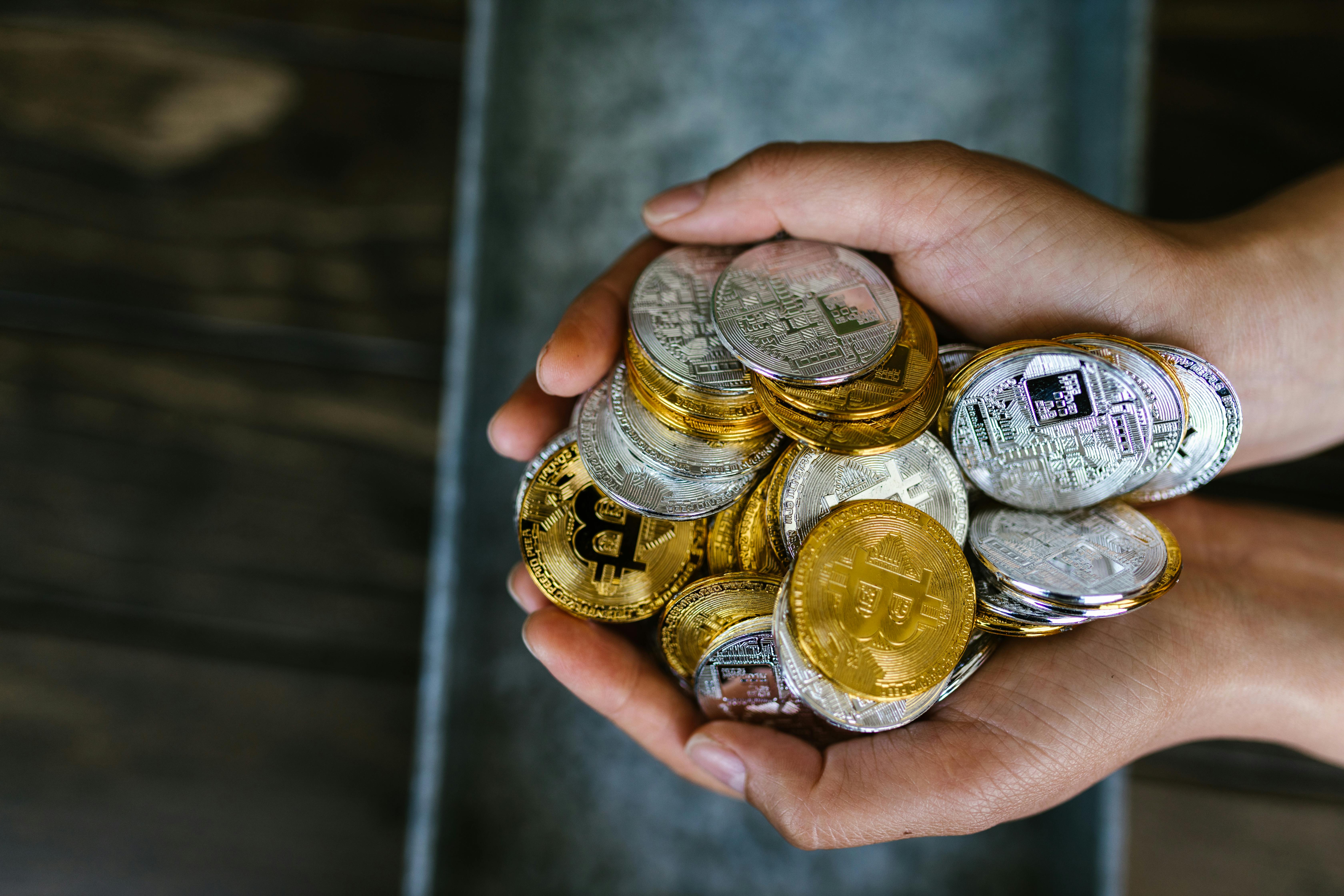
Discover the revolutionary world of Real-World Asset (RWA) tokenization in 2026. Learn how to invest in tokenized real estate, private credit, and traditional finance assets, unlocking unprecedented liquidity and high yields. Compare top RWA platforms and protocols to diversify your portfolio and maximize returns with secure, compliant digital assets.
Introduction to the Topic
Welcome to 2026, where the lines between traditional finance and decentralized finance (DeFi) are not just blurring – they've converged into a powerful new paradigm: Real-World Asset (RWA) Tokenization. For years, cryptocurrency promised to democratize finance, but it often felt like a self-contained ecosystem. Now, the blockchain is reaching beyond its digital borders, transforming illiquid assets like real estate, private credit, commodities, and even intellectual property into accessible, tradable digital tokens. This isn't just a trend; it's the financial revolution you've been waiting for, offering unparalleled opportunities for investors seeking diversification, enhanced liquidity, and superior yields.
At trackcash360.com, our mission is to guide you through the most lucrative frontiers of the digital economy. RWA tokenization stands as the single most impactful development in crypto today, poised to unlock trillions of dollars in value. Imagine owning a fraction of a high-yield corporate bond, a luxury property in Dubai, or a portfolio of private invoices – all tradable 24/7 on a blockchain, without the traditional intermediaries or cumbersome paperwork. This article will demystify RWA tokenization, explore its immense potential, and, most importantly, equip you with the knowledge to identify and capitalize on the best investment opportunities available right now.
Backgrounds & Facts
Real-World Asset tokenization is the process of converting tangible or intangible assets into digital tokens on a blockchain. These tokens represent fractional ownership or a claim on the underlying physical asset. While the concept isn't entirely new, technological advancements, clearer regulatory frameworks, and increasing institutional adoption have propelled RWAs into the mainstream by 2026.
Historically, many valuable assets suffered from illiquidity. Think about a commercial property or a private equity fund – buying and selling stakes is often a slow, expensive, and exclusive process. Tokenization shatters these barriers:
- Fractional Ownership: Investors can own a small, affordable piece of high-value assets that were previously out of reach.
- Enhanced Liquidity: Tokens can be traded on secondary markets 24/7, offering faster settlement and easier exit strategies compared to traditional asset sales.
- Transparency & Auditability: Blockchain's immutable ledger provides a clear, verifiable record of ownership and transactions, reducing fraud and increasing trust.
- Reduced Costs: Eliminating intermediaries and automating processes via smart contracts can significantly lower transaction fees and administrative overhead.
- Global Accessibility: Investors worldwide can participate, opening up new capital pools for asset owners and diverse opportunities for investors.
By 2026, the RWA market is projected to reach well into the multi-trillion-dollar range. Major financial institutions, including BlackRock, Fidelity, and JP Morgan, are actively exploring and deploying RWA solutions, recognizing their potential to revolutionize capital markets. Regulatory bodies in key jurisdictions have also made significant strides in providing legal clarity for digital securities and tokenized assets, paving the way for broader adoption and institutional-grade offerings. This isn't just 'crypto money' anymore; it's the future of global finance.
Expert Opinion / Analysis
Leading voices across both traditional finance and blockchain industries are unequivocally bullish on RWA tokenization. “The era of illiquid assets is rapidly drawing to a close,” states Dr. Anya Sharma, Head of Digital Asset Strategy at a major investment bank. “We're seeing a fundamental shift in how value is created, stored, and exchanged. Tokenized real estate, for instance, is no longer a niche concept; it’s becoming a standard option for portfolio diversification, especially for younger generations seeking accessible entry points into high-value assets.”
Crypto venture capitalist, Mark K. Thompson, from Blockstream Ventures, adds, “The true promise of DeFi was always to bridge the gap with the real economy. RWAs are the ultimate manifestation of this. We're witnessing the maturation of blockchain technology from speculative assets to foundational infrastructure for global commerce. The next wave of crypto millionaires will likely be those who understand and leverage the power of tokenized private credit, tokenized treasuries, and other yield-bearing real-world assets.”
However, experts also caution investors to perform diligent research. “While the opportunities are vast, the RWA landscape is still evolving,” advises regulatory expert, Lena Petrov. “Understanding the underlying legal frameworks, the custodianship of physical assets, and the smart contract security of each platform is paramount. Investors must prioritize platforms with strong regulatory compliance, robust security audits, and transparent asset backing.” The consensus is clear: RWAs represent the most significant growth vector in finance, but smart investing requires informed choices and a keen eye on the details.
💰 Best Options in Comparison (VERY IMPORTANT)
Navigating the burgeoning RWA market can be daunting, but several platforms have emerged as leaders by 2026, offering diverse opportunities for investors. We've analyzed the top contenders, focusing on their asset classes, security, regulatory compliance, and potential returns, to help you make informed investment decisions.
- Centrifuge (CFG): A pioneer in decentralized private credit, Centrifuge connects DeFi liquidity with real-world businesses seeking financing. Investors can fund tokenized invoices, supply chain finance, and other forms of private credit, earning attractive yields. Centrifuge emphasizes transparency and allows for direct asset origination.
- Ondo Finance (ONDO): Ondo has become the go-to platform for institutional-grade tokenized fixed income. Specializing in tokenized U.S. Treasuries, money market funds, and corporate bonds, Ondo provides stable, high-yield opportunities backed by traditional financial instruments. It's ideal for investors seeking lower volatility and reliable returns.
- Securitize (SEC): As a regulated digital asset securities platform, Securitize offers a broad range of tokenized securities, from private equity funds to real estate and venture capital. Their focus on regulatory compliance (e.g., SEC registration, FINRA broker-dealer) makes them a preferred choice for institutional investors and accredited individuals seeking compliant access to diverse RWA classes.
- Real Estate Tokenization Platforms (e.g., Blocksquare, Aqar Chain): While many platforms exist, the leaders in 2026 focus on fractionalizing commercial and residential properties globally. These platforms offer stable rental yields and potential appreciation, providing accessible entry points into a historically exclusive asset class, often with lower minimum investments than traditional real estate.
To help you choose, here's a comparative breakdown of these leading RWA investment avenues:
| Platform/Type | Primary Asset Focus | Key Differentiator | Regulatory Compliance | Typical APY/Returns (2026 est.) | Ideal Investor |
|---|---|---|---|---|---|
| Centrifuge (CFG) | Private Credit (invoices, supply chain) | Connects DeFi liquidity to real-world businesses; high yields, transparent underwriting. | Decentralized, often works with regulated asset originators. | 8% - 15%+ (variable, depending on risk) | DeFi natives, yield seekers, those comfortable with private credit risk. |
| Ondo Finance (ONDO) | Tokenized U.S. Treasuries, Money Markets, Bonds | Institutional-grade access to traditional fixed income; stable, reliable returns. | Strong regulatory focus, often partners with regulated entities. | 4% - 7% (tied to traditional rates) | Risk-averse investors, seeking stable yield, traditional finance background. |
| Securitize (SEC) | Private Equity, Real Estate, Venture Capital, Funds | Regulated end-to-end platform for digital securities; broad asset class offerings. | Fully regulated (SEC-registered transfer agent, FINRA broker-dealer). | Varies widely (asset-dependent, 5% - 20%+) | Accredited investors, institutions, seeking compliant access to diverse private markets. |
| Real Estate Platforms | Commercial & Residential Properties | Fractional ownership of global properties; rental income & appreciation. | Varies by platform and jurisdiction; often uses SPVs. | 3% - 10% (rental yield) + appreciation | Investors seeking stable income, real estate exposure, portfolio diversification. |
When selecting a platform, consider your risk tolerance, investment horizon, and the specific asset classes that align with your financial goals. Always verify the regulatory status and security audits of any platform before committing capital.
Outlook & Trends
The trajectory for RWA tokenization in the coming years is nothing short of explosive. By 2030, analysts predict the market could exceed $16 trillion, fundamentally reshaping global capital markets. Several key trends will drive this growth:
- Enhanced Interoperability: Expect seamless integration of RWA tokens across various blockchains and traditional financial systems, improving liquidity and accessibility.
- New Asset Classes: Beyond traditional assets, we'll see tokenization extend to intellectual property, carbon credits, luxury goods, and even human capital, opening up entirely new investment horizons.
- Institutional Dominance: While retail investors will benefit, institutional players are set to pour trillions into RWAs, leveraging their efficiency and transparency for large-scale operations.
- Regulatory Harmonization: As jurisdictions worldwide converge on clearer regulatory frameworks, it will de-risk investments and attract even more conservative capital.
- DeFi Integration 2.0: RWA tokens will become fundamental building blocks within DeFi protocols, enabling new lending, borrowing, and synthetic asset creation opportunities with real-world collateral.
Challenges remain, including continued regulatory clarity in some regions and the need for robust legal frameworks to enforce tokenized ownership across borders. However, the momentum is undeniable. The future of finance is tokenized, and real-world assets are leading the charge.
Conclusion
Real-World Asset tokenization is not just a buzzword; it's a paradigm shift in how we perceive and interact with value. In 2026, it represents the most significant investment opportunity in the digital asset space, offering a bridge between the stability of traditional assets and the innovation of blockchain technology. By democratizing access to previously exclusive assets, enhancing liquidity, and driving efficiency, RWAs are set to unlock unprecedented wealth for informed investors.
Whether you're looking for stable yields from tokenized treasuries, high returns from private credit, or fractional ownership in global real estate, the RWA market has something for every investor. The time to explore these transformative opportunities is now. Do your research, understand the risks, and position yourself at the forefront of this financial revolution. The future of your portfolio starts with understanding Real-World Assets.