
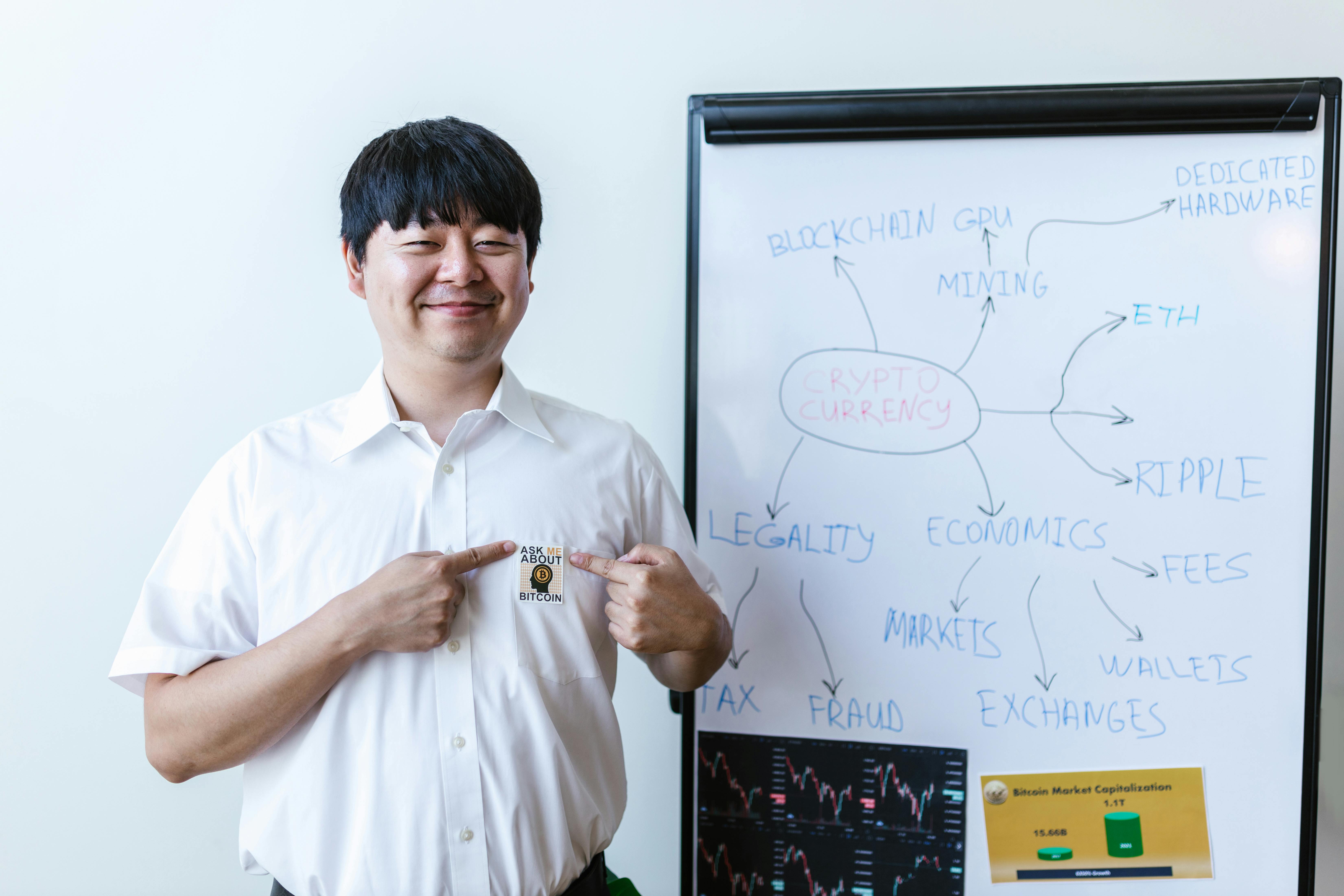
Discover the explosive potential of Real-World Asset (RWA) tokenization in 2026. Learn how blockchain is unlocking unprecedented liquidity and fractional ownership in everything from real estate to fine art, and find the best platforms to secure your financial future with these high-yield, secure investments. Optimize your crypto portfolio for stable, significant returns now!
Introduction to the Topic
The year is 2026, and the cryptocurrency landscape has evolved far beyond the speculative frenzy of the early 2020s. While digital currencies continue to innovate, a new, more tangible frontier has emerged as the cornerstone of sophisticated investment portfolios: Real-World Asset (RWA) tokenization. This revolutionary convergence of traditional finance and blockchain technology is not just a trend; it's a fundamental shift in how we perceive, own, and trade value.
RWA tokenization involves representing physical or intangible assets on a blockchain as digital tokens. Imagine owning a fraction of a skyscraper in New York, a rare vintage wine collection, or even a portfolio of corporate debt – all represented by secure, liquid tokens in your digital wallet. This isn't science fiction; it's the present reality, and it's poised to unlock trillions in value, offering unprecedented access and efficiency for investors globally.
For savvy investors looking to diversify beyond volatile altcoins and capitalize on stable, high-yield opportunities, understanding RWA tokenization is paramount. It bridges the gap between the decentralized, transparent world of blockchain and the established, value-backed universe of traditional finance, creating a powerful new asset class optimized for both growth and stability. At trackcash360.com, we're diving deep into why RWAs are the financial future you can't afford to ignore, and how to position your portfolio for maximum success in this burgeoning market.
Backgrounds & Facts
The concept of tokenizing assets isn't entirely new, but its maturation and widespread adoption by 2026 are. Early experiments focused on digitalizing securities, but the true potential has blossomed with advancements in blockchain scalability, regulatory clarity, and the integration of robust legal frameworks. What exactly constitutes a Real-World Asset in this context? The spectrum is vast, encompassing:
- Real Estate: Commercial and residential properties, fractional ownership of buildings.
- Precious Metals & Commodities: Gold, silver, oil, agricultural products.
- Fine Art & Collectibles: Rare paintings, sculptures, vintage cars, luxury watches.
- Private Equity & Venture Capital: Shares in private companies, venture funds.
- Debt Instruments: Corporate bonds, government treasuries, invoices, supply chain finance.
- Intellectual Property: Patents, copyrights, music royalties.
- Carbon Credits: Environmental assets for sustainability initiatives.
The underlying technology is elegant: a smart contract on a blockchain (typically Ethereum, Polygon, or similar robust networks) acts as a digital wrapper for the real-world asset. This contract defines the terms of ownership, distribution of income (e.g., rental yield, interest payments), and transferability. Legal entities often hold the physical asset, issuing digital tokens that represent a claim on that asset, ensuring legal enforceability.
The benefits of RWA tokenization are transformative:
- Unprecedented Liquidity: Traditionally illiquid assets like real estate or private equity can be traded 24/7 on global digital exchanges, dramatically reducing transaction times and costs.
- Fractional Ownership: High-value assets are no longer exclusive to the ultra-wealthy. Investors can buy small fractions, democratizing access and lowering entry barriers.
- Transparency & Auditability: All transactions and ownership records are immutably stored on the blockchain, providing a single source of truth and reducing fraud.
- Efficiency & Cost Reduction: Eliminating intermediaries, paperwork, and lengthy settlement processes slashes administrative overheads and transaction fees.
- Global Accessibility: Investors from anywhere in the world can participate, expanding market reach for asset issuers and diversifying portfolios for buyers.
Analysts like Boston Consulting Group and Chainlink have projected the RWA tokenization market to reach multi-trillion dollar valuations by 2030, with a significant portion of that growth expected to materialize by 2026. This exponential growth is driven by institutional demand for stable, yield-generating blockchain-native assets, coupled with the increasing sophistication of DeFi protocols seeking tangible collateral.
However, challenges remain. Regulatory clarity, particularly across diverse international jurisdictions, is an ongoing process. Ensuring the legal enforceability of tokenized claims and the reliable 'oracle problem' (securely bringing off-chain asset data onto the blockchain) are critical areas of continuous development. Despite these hurdles, the momentum is undeniable, making RWA tokenization a cornerstone of the future financial system.
Expert Opinion / Analysis
The buzz around Real-World Asset tokenization isn't just hype; it's backed by profound shifts in both traditional finance and the crypto ecosystem. Industry leaders recognize RWAs as the crucial bridge connecting these two worlds, unlocking previously untapped capital and efficiency.
Dr. Evelyn Reed, Head of Digital Asset Strategy at Quantum Capital Group, a leading institutional investment firm, shared her perspective with trackcash360.com: "For years, institutional capital eyed crypto with skepticism, primarily due to volatility and regulatory uncertainty. RWA tokenization changes that equation entirely. It allows us to leverage the efficiency and transparency of blockchain while investing in assets with tangible value and established cash flows. This isn't just about 'digital gold'; it's about digitalizing all forms of value. By 2026, a significant portion of our diversified portfolios will include tokenized real estate, private credit, and even carbon credits. It's the true potential of blockchain realized, offering stability that traditional crypto often lacks."
From the DeFi side, Kenji Tanaka, Lead Architect at Nexus Protocol, a prominent decentralized lending platform, adds: "DeFi's initial growth was explosive but often limited by its reliance on purely crypto-native collateral, leading to systemic risks during market downturns. Integrating RWAs, such as tokenized US Treasuries or secure real estate debt, provides a robust, yield-bearing foundation for our protocols. It allows us to offer more attractive and stable yields to liquidity providers, backed by assets that generate real-world revenue. We're moving beyond mere speculative collateralization to genuinely productive assets that absorb capital from both crypto and traditional markets, creating a much more resilient and sustainable DeFi ecosystem."
This convergence means that investors no longer have to choose between the innovation of blockchain and the stability of traditional assets. RWAs offer the best of both worlds: fractional ownership, instant liquidity, global access, and transparency, all underpinned by assets that have a proven track record of value generation. This paradigm shift addresses one of crypto's biggest challenges – its perceived detachment from the 'real economy' – and transforms it into a powerful engine for wealth creation. For trackcash360.com readers, this translates into unprecedented opportunities to diversify portfolios, mitigate risk, and secure stable, competitive returns in an increasingly digital financial landscape.
💰 Best Options in Comparison (VERY IMPORTANT)
Navigating the RWA landscape requires understanding the platforms and protocols at the forefront of this revolution. For investors with purchasing intent, comparing the best options is crucial for maximizing returns and managing risk. Here are three leading platforms in 2026, offering distinct approaches to RWA tokenization:
- Centrifuge (CFG): A pioneer in decentralized RWA lending, Centrifuge focuses on bringing real-world credit and invoices onto the blockchain. It allows businesses to tokenize assets like invoices, supply chain payments, and real estate debt, and use them as collateral to access liquidity from DeFi protocols. Investors (LPs) can provide stablecoins to pools and earn yield backed by these tokenized assets. Centrifuge is known for its Tinlake pools, which offer a diverse range of asset types and varying risk profiles, appealing to those seeking exposure to private credit markets with transparent, on-chain records. Its community-governed model and integration with the broader Polkadot and Ethereum ecosystems make it a robust choice for yield-seeking investors.
- Ondo Finance (ONDO): Ondo Finance specializes in tokenizing institutional-grade, highly liquid assets, primarily US Treasuries and money market funds, making them accessible to DeFi users. Through partnerships with traditional financial institutions, Ondo offers tokenized funds that provide stable, competitive yields derived from these secure assets. This platform is ideal for investors looking for low-risk, compliant exposure to traditional finance yields within the blockchain ecosystem. Ondo's focus on transparency, regulatory compliance (especially for US investors), and integration with major DeFi protocols makes it a go-to for those prioritizing stability and institutional-level security for their on-chain capital.
- Securitize: As a regulated digital asset securities platform, Securitize operates at the intersection of traditional finance and blockchain, specializing in tokenizing private equity, funds, and real estate. It provides a full-stack solution for issuers to create, manage, and trade digital securities in a compliant manner. Securitize’s strength lies in its adherence to securities regulations (e.g., SEC-registered ATS in the US), making it a preferred choice for accredited investors and institutions seeking fully compliant access to private markets via blockchain. While often catering to larger investments, its platform is crucial for legitimizing the digital securities market and paving the way for broader adoption of tokenized private assets.
To help you compare these powerful options and decide where to allocate your capital, here's a detailed breakdown:
| Feature | Centrifuge (CFG) | Ondo Finance (ONDO) | Securitize |
|---|---|---|---|
| Primary Assets Tokenized | Invoices, supply chain finance, real estate debt, private credit | US Treasuries, money market funds, institutional bonds | Private equity, venture capital funds, real estate, alternative assets |
| Target Investor | DeFi users, institutions seeking private credit yield, accredited investors | DeFi users, institutions, traditional investors seeking stable yield | Accredited investors, institutions, fund managers |
| Yield Potential | Moderate to High (variable, dependent on asset pools) | Stable, competitive with traditional money markets (e.g., 4-6% APY) | Varies greatly (equity/debt returns, long-term growth focus) |
| Liquidity | Growing (DeFi pools, emerging secondary markets for NFTs) | High (backed by highly liquid traditional assets, redeemable) | Moderate (private markets, regulated secondary trading via ATS) |
| Regulatory Approach | Decentralized protocol, relies on legal wrappers for assets | Compliant (US-based, regulated product offerings) | Highly Regulated (SEC-registered Transfer Agent & ATS) |
| Key Blockchain Integration | Ethereum, Polygon, Polkadot (Substrate) | Ethereum, Polygon | Algorand, Avalanche, Ethereum, various others |
| Unique Selling Proposition | Access to diverse private credit markets for DeFi yield | Bringing institutional-grade TradFi yield to DeFi users securely | Fully compliant, end-to-end platform for digital securities issuance & trading |
Each platform offers a unique gateway to the RWA market. Your choice will depend on your risk tolerance, desired asset class exposure, and regulatory preferences. Conducting thorough due diligence on the underlying assets, legal structures, and smart contract security of any chosen platform is always recommended.
Outlook & Trends
The RWA tokenization narrative is just beginning, and its trajectory for the latter half of the 2020s is nothing short of revolutionary. Several key trends will shape its evolution:
- Accelerated Institutional Adoption: Major banks, asset managers, and sovereign wealth funds are increasingly building dedicated digital asset divisions. By 2026, many will have integrated RWA tokenization into their core strategies, driven by client demand for diversified, efficient, and yield-generating investment products. Expect more partnerships between traditional finance giants and blockchain protocols.
- Diversification Beyond Traditional Assets: While real estate and credit remain foundational, we'll see tokenization expand into more esoteric and niche assets. Intellectual property rights, luxury fashion items, gaming assets, human capital bonds (representing future earnings), and even environmental assets like biodiversity credits will become increasingly common.
- Regulatory Harmonization and Clarity: Governments and financial bodies worldwide are actively working on comprehensive regulatory frameworks for digital securities and tokenized assets. By 2026, we anticipate greater clarity, fostering a more secure and predictable environment for both issuers and investors, which will in turn attract more mainstream participation.
- Enhanced Interoperability and Cross-Chain Solutions: The fragmented blockchain landscape will see greater interoperability. Solutions enabling seamless transfer and utilization of RWAs across different blockchains (e.g., Ethereum, Solana, Avalanche) will become standard, enhancing liquidity and market reach.
- Sophisticated DeFi Integrations: RWAs will become integral to advanced DeFi protocols. We'll see RWA-backed stablecoins, more complex lending and borrowing platforms collateralized by tokenized real estate or bonds, and even decentralized insurance products tailored for RWA risks.
- Mass Market Accessibility: User interfaces will become more intuitive, and on/off-ramps between fiat and tokenized assets will be streamlined. This will lower the barrier to entry for retail investors, allowing them to participate in lucrative asset classes previously reserved for the wealthy.
The future of finance is increasingly digital, and RWA tokenization is at the heart of this transformation, promising a more accessible, efficient, and interconnected global economy.
Conclusion
The Real-World Asset (RWA) tokenization revolution is not a distant promise; it is the definitive investment frontier of 2026 and beyond. It represents a mature evolution of blockchain technology, moving beyond speculative digital currencies to unlock tangible value from the global economy. For investors seeking to build a resilient, diversified, and high-performing portfolio, RWAs offer an unparalleled opportunity to blend the stability of traditional assets with the innovation and efficiency of decentralized finance.
Whether you're drawn to the private credit markets offered by platforms like Centrifuge, the secure institutional yields provided by Ondo Finance, or the compliant digital securities of Securitize, the time to explore RWA tokenization is now. These platforms are paving the way for a financial future where liquidity, fractional ownership, and transparency are the norm, not the exception.
Don't let this monumental shift pass you by. Research these leading platforms, understand the unique opportunities they present, and consider how tokenized real-world assets can fortify and grow your investment portfolio. The path to massive gains and a truly diversified financial future in 2026 runs directly through the RWA revolution. Start your journey today and secure your position at the forefront of this transformative era.