
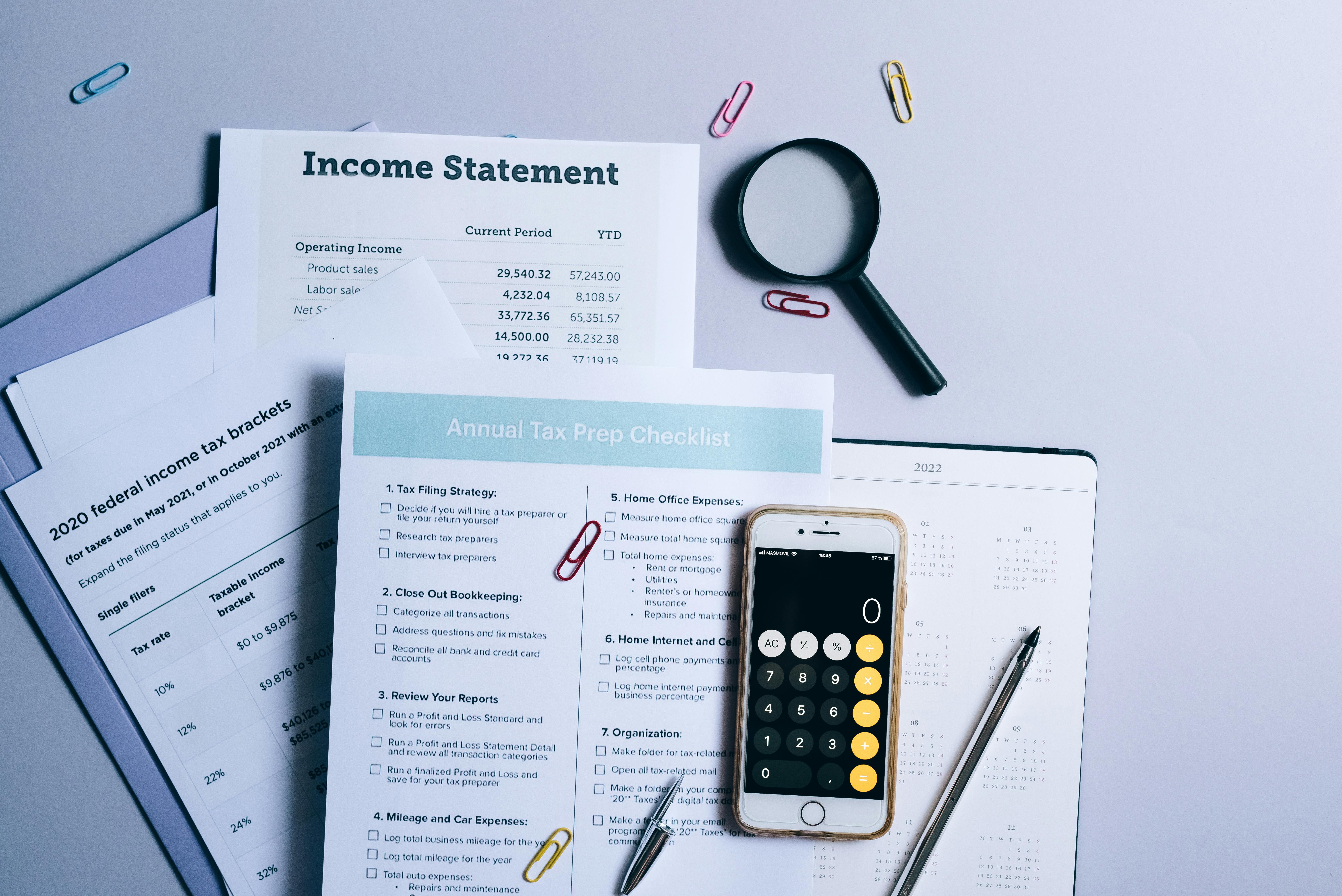
Navigate the evolving 2026 tax landscape with cutting-edge strategies. Discover how AI-powered tools and expert tax planning services can maximize your wealth, reduce liabilities, and uncover hidden deductions. Optimize your financial future with proactive tax efficiency, investment planning, and smart compliance solutions.
Introduction to the Topic
Welcome to 2026, where the world of tax planning is more dynamic, complex, and opportunity-rich than ever before. Gone are the days of simply filing your taxes once a year and hoping for the best. Today, proactive, personalized, and technologically-driven tax strategy is not just an advantage—it’s a necessity for anyone looking to truly optimize their financial health and build lasting wealth. The landscape is shifting rapidly, influenced by new digital economies, evolving global regulations, and groundbreaking advancements in artificial intelligence. For individuals, entrepreneurs, and businesses alike, understanding and adapting to these changes is paramount to unlocking significant savings and achieving financial freedom. This article will guide you through the latest trends, expert insights, and the best options available to ensure your 2026 tax plan is not just compliant, but truly transformative. Are you ready to convert your tax obligations into wealth-building opportunities?
Backgrounds & Facts
The 2026 tax environment is a fascinating blend of continuity and innovation. While core tax principles remain, several key factors are reshaping how we approach financial planning. Firstly, the 'gig economy' and the rise of digital nomads continue to challenge traditional income reporting, demanding more sophisticated tracking and deduction strategies. Secondly, the maturation of cryptocurrency and digital assets has led to clearer, yet still complex, regulatory frameworks, making specialized crypto tax planning services indispensable. Thirdly, governments globally are increasingly leveraging tax incentives to drive innovation and sustainability, particularly in green energy and advanced technology sectors, offering lucrative credits and deductions for those who know where to look. Finally, and perhaps most significantly, Artificial Intelligence (AI) has moved beyond mere automation in tax preparation. AI now powers predictive analytics, scenario planning, and hyper-personalized advice, transforming tax planning from a retrospective task into a continuous, forward-looking strategic process. Data from leading financial institutions indicate that individuals and businesses engaging in year-round tax planning with professional or advanced digital tools save an average of 15-20% more than those who only focus on year-end filing. This underscores a critical truth: in 2026, ignorance of tax opportunities is no longer bliss; it’s a costly oversight.
Expert Opinion / Analysis
"The biggest mistake people make in 2026 is treating tax planning as an annual chore rather than an ongoing wealth management strategy," states Dr. Evelyn Reed, a renowned tax economist and author of 'The AI Tax Revolution.' "With the sheer volume of data, the complexity of global income streams, and the constant flux of regulations, a reactive approach is simply inadequate. We're seeing a paradigm shift where AI isn't just crunching numbers; it's identifying patterns, forecasting future liabilities, and even suggesting investment adjustments to optimize tax outcomes months, if not years, in advance."
Dr. Reed emphasizes that while AI tools are powerful, the human element remains irreplaceable for nuanced situations. "AI excels at data analysis and rule application, but a seasoned tax advisor brings strategic foresight, understanding of unique personal circumstances, and the ability to navigate ambiguous or highly specialized tax codes, especially in areas like complex estate planning, international taxation, or intricate business structures. The future isn't AI *or* human; it's AI *enhanced* human expertise. This synergy allows for unprecedented levels of precision and personalization in tax advice, ensuring clients not only comply but truly thrive under the current tax regime. The smart money in 2026 is investing in this integrated approach to secure maximum tax efficiency and long-term financial growth."
💰 Best Options in Comparison (VERY IMPORTANT)
Choosing the right tax planning solution in 2026 is crucial for maximizing your financial advantage. With options ranging from advanced DIY software to bespoke human advisory services, your decision should align with your income complexity, desired level of involvement, and budget. Here are the leading options:
- 1. Advanced AI-Enhanced DIY Tax Software (e.g., TurboTax Pro 2026, H&R Block AI Pro): These platforms have evolved significantly, now featuring integrated AI for smart deduction identification, error checking, and even basic predictive analysis. They are excellent for individuals and small businesses with relatively straightforward finances, offering cost-effectiveness and convenience. Many now include limited expert chat support.
- 2. Hybrid Tax Platforms (e.g., TaxAct Live, Jackson Hewitt Online with Pro Review): Bridging the gap between DIY and full-service, these platforms allow you to prepare your taxes using software, then have a human tax professional review your return before filing. This offers a valuable layer of confidence and catches common mistakes or missed opportunities without the full cost of a dedicated advisor. Ideal for those with moderate complexity, like freelance income or investment portfolios.
- 3. Dedicated Human Tax Advisors / Certified Public Accountants (CPAs): For complex financial situations, high-net-worth individuals, businesses with intricate structures, or those requiring comprehensive wealth management and estate planning, a dedicated CPA or tax attorney is invaluable. They offer personalized, year-round strategic planning, audit representation, and in-depth advice on investments, business growth, and multi-jurisdictional tax issues.
- 4. Specialized AI-Driven Tax Optimization & Planning Tools (e.g., WealthTax AI, OptiTax Pro): These aren't filing solutions but powerful analytical tools. They use AI to analyze your financial data, predict future tax liabilities based on various scenarios (e.g., selling investments, changing jobs), and suggest proactive adjustments to minimize taxes throughout the year. Often used in conjunction with a CPA or DIY software for strategic foresight.
To help you decide, here's a detailed comparison:
| Feature | AI-Enhanced DIY Software | Hybrid Tax Platforms | Dedicated Human Tax Advisors (CPAs) | Specialized AI Optimization Tools |
|---|---|---|---|---|
| Cost Range (Annual) | $50 - $200 | $200 - $500 | $500 - $5,000+ | $100 - $300 (Subscription) |
| Personalization Level | Low to Moderate (Rule-based AI) | Moderate (Software + Expert Review) | High (Bespoke Strategy) | High (Data-driven scenario planning) |
| Complexity Handling | Basic to Moderate | Moderate to High | Very High (Complex estates, businesses, international) | High (Predictive analysis, what-if scenarios) |
| Time Commitment | Moderate (User input required) | Low to Moderate (Software prep, quick review) | Low (Delegate to expert) | Moderate (Input data, analyze reports) |
| Best For | Individuals, small businesses, simple returns | Freelancers, investors, moderate complexity | High-net-worth, complex businesses, comprehensive planning | Proactive planners, investment strategists |
| Key Benefit | Affordability, speed, basic AI deductions | Accuracy, peace of mind, expert oversight | Maximized savings, strategic advice, audit support | Future-proofing, continuous optimization |
| Actionable Next Step | Compare Top AI Tax Software | Explore Hybrid Tax Platforms | Book a Consultation with a CPA | Discover AI Optimization Tools |
Outlook & Trends
Looking ahead, the future of tax planning in 2026 and beyond promises even greater integration of technology and personalized service. We anticipate further advancements in AI, leading to more sophisticated predictive models that can anticipate legislative changes and their impact on individual portfolios. The concept of 'continuous tax planning'—where financial decisions throughout the year are instantly analyzed for their tax implications—will become standard. Blockchain technology may also play a more significant role in secure record-keeping and automated compliance, particularly for digital assets and international transactions. Furthermore, expect a continued emphasis on ESG (Environmental, Social, and Governance) factors, with new tax incentives emerging for sustainable investments and socially responsible business practices. The demand for specialized tax expertise in areas like global wealth transfer, digital currency taxation, and complex business exits will only grow, solidifying the need for expert human advisors working hand-in-hand with cutting-edge AI tools. Staying informed and adaptable will be the hallmarks of successful tax strategy in this exciting new era.
Conclusion
The year 2026 presents an unparalleled opportunity to transform your approach to tax planning. No longer a dreaded annual chore, it has evolved into a strategic pillar of wealth management, driven by intelligent technology and nuanced human expertise. Whether you're a DIY enthusiast leveraging advanced AI software, seeking the reassurance of a hybrid platform, or requiring the bespoke strategies of a dedicated CPA, the options available today are designed to empower you. By embracing proactive planning, identifying hidden deductions, and optimizing your investments for tax efficiency, you can significantly reduce your liabilities and accelerate your financial goals. Don't let complexity deter you; instead, let it be an invitation to explore the innovative solutions that can unlock your true financial potential. Take the first step today: assess your needs, compare the best options, and secure your financial future by making smart, informed tax decisions. Your 2026 tax fortune awaits!