
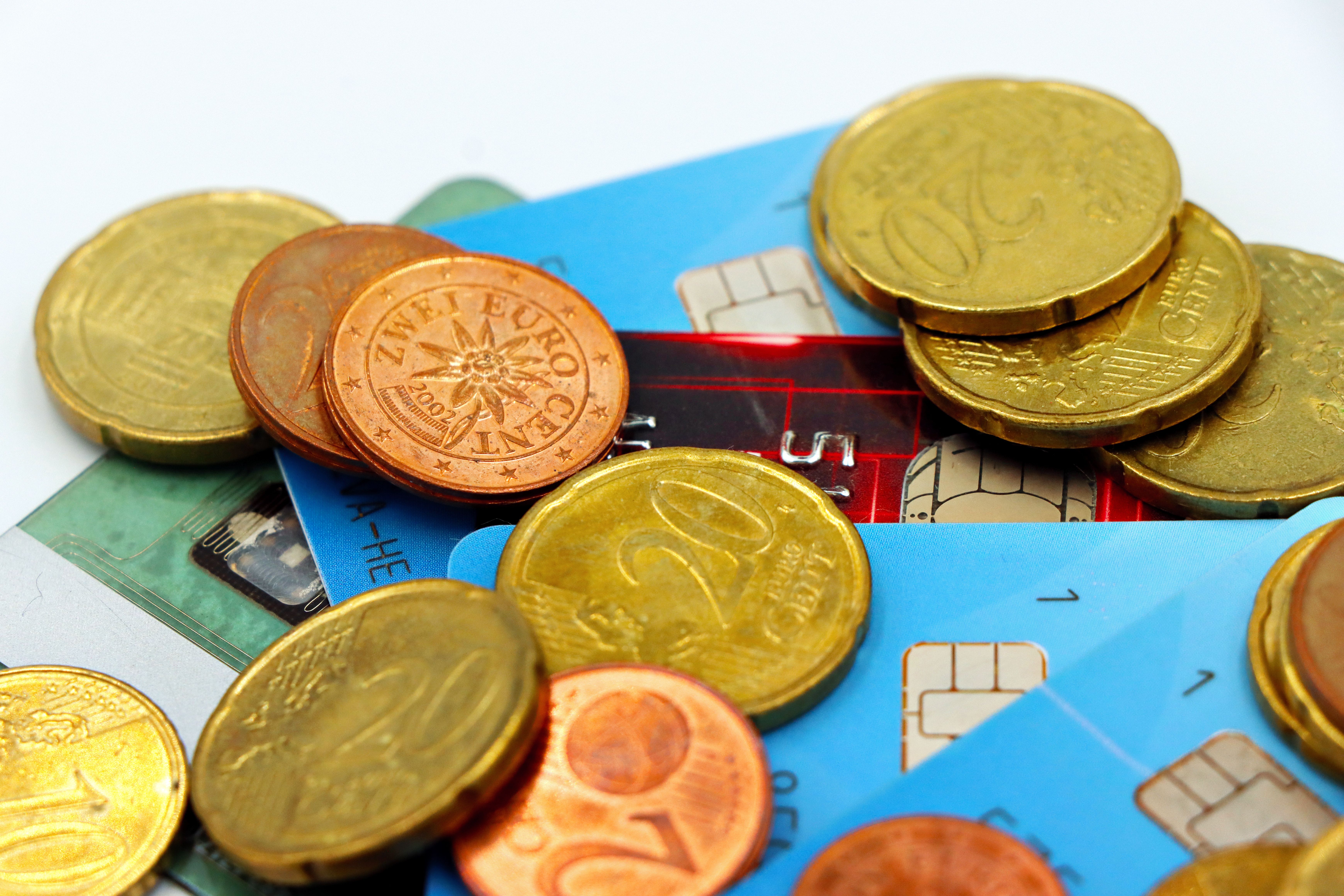
The financial landscape of 2026 is being reshaped by AI credit cards, offering unprecedented personalized rewards, dynamic cashback, and intelligent travel points optimization. Discover how smart spending with AI is set to maximize your financial gains and which cutting-edge cards are leading the charge in this new era of personalized finance. Don't miss out on the future of credit!
Introduction to the Topic
Welcome to 2026, a year where your credit card isn't just a piece of plastic; it's a hyper-intelligent financial co-pilot. For decades, credit card rewards programs felt like a game of static categories and fixed percentages. You'd get 3% back on groceries, 2% on gas, and 1% on everything else, hoping your spending aligned with the predetermined bonuses. But as we stand in the mid-2020s, the game has fundamentally changed. The integration of Artificial Intelligence (AI) into credit card technology isn't just a trend; it's a full-blown revolution, promising to redefine how we earn, save, and manage our money.
Gone are the days of manually tracking spending categories or missing out on bonus points because your lifestyle shifted. AI-powered credit cards are now capable of analyzing your real-time spending habits, predicting future needs, and dynamically adjusting reward structures to offer you the absolute maximum value. Imagine a card that knows you’re planning a trip to Southeast Asia and proactively boosts your travel points on airline bookings, or recognizes your increased spending on home improvement and automatically applies a higher cashback rate. This isn't science fiction; it's the reality of 2026, and it's designed to put more cash back in your pocket and more experiences on your calendar. If you're not leveraging AI in your credit card strategy, you're quite simply leaving money on the table.
Backgrounds & Facts
The journey to AI-driven credit cards began subtly in the early 2020s with enhanced fraud detection and personalized marketing. However, by 2026, the technology has matured dramatically. Financial institutions are now deploying sophisticated machine learning algorithms that process vast amounts of anonymized transaction data. These algorithms can identify granular spending patterns, predict changes in consumer behavior, and even understand the nuances of lifestyle shifts.
Key facts underpinning this revolution:
- Predictive Analytics: AI models analyze historical spending to anticipate future needs. For instance, if you consistently spend more on dining out in Q3, your card might offer boosted rewards on restaurant categories during that period, even if it wasn't a standard bonus.
- Real-time Optimization: Unlike traditional cards with fixed quarterly categories, AI cards can adjust rewards dynamically, sometimes even within a billing cycle. A sudden increase in online retail purchases might trigger a temporary boost in e-commerce rewards.
- Hyper-Personalization: Each cardholder's reward profile is unique. The AI learns individual preferences – whether you value cashback, travel points, or specific merchant discounts – and tailors offers accordingly. This moves beyond segmentation to true one-to-one customization.
- Enhanced Security: AI continues to excel in fraud prevention, identifying unusual spending patterns instantaneously and alerting cardholders or blocking transactions before significant damage occurs. This protects your finances while simultaneously building trust in the intelligent system.
- Market Growth: According to financial tech analysts, the global market for AI in banking and finance is projected to exceed $50 billion by 2027, with personalized credit card offerings being a significant driver of this growth. This indicates a massive industry shift and consumer adoption.
- Data Ethics & Privacy: While AI relies on data, leading card issuers in 2026 have implemented robust anonymization and encryption protocols, adhering to stringent global data privacy regulations (like GDPR 2.0 and CCPA extensions). Users typically have clear opt-in/opt-out options for personalized data usage.
This technological leap means credit cards are no longer passive payment tools but active financial advisors, constantly working to maximize your financial return based on your unique life. The era of 'one-size-fits-all' rewards is definitively over.
Expert Opinion / Analysis
“The advent of AI in credit cards is arguably the most significant innovation since the introduction of rewards programs themselves,” states Dr. Anya Sharma, a leading FinTech economist at the Institute for Digital Commerce. “What we’re seeing in 2026 is a transition from reactive rewards to proactive financial optimization. Consumers are no longer just earning points; they're engaging with a sophisticated system designed to intuitively understand and reward their spending habits.”
Dr. Sharma emphasizes that this shift offers unparalleled benefits for the consumer. “For years, the onus was on the cardholder to remember their card's benefits, activate rotating categories, and strategize which card to use for which purchase. AI automates this complex decision-making, ensuring optimal rewards are applied without conscious effort. This reduces 'rewards fatigue' and significantly boosts the effective value of a card.”
However, the analysis isn't without its caveats. “While the personalization is a huge plus, consumers must remain vigilant about data privacy and the transparency of the algorithms,” Dr. Sharma advises. “Leading issuers are building trust through clear data usage policies and user-friendly dashboards that explain why certain rewards were offered. The key is to choose providers committed to ethical AI and consumer empowerment, not just profit maximization.”
Another crucial aspect is the competitive landscape. “As more providers adopt AI, we'll see a race to offer the most sophisticated and genuinely valuable personalization,” she adds. “This competition is excellent for consumers, driving innovation and forcing issuers to constantly improve their AI models and reward structures. The user with purchasing intent, comparing products, and booking services, will find themselves in a truly advantageous position in 2026, able to pick cards that precisely match their lifestyle and financial goals, thereby maximizing their CPM/RPM on every dollar spent.” The expert consensus is clear: AI is not just enhancing credit cards; it's fundamentally transforming them into highly intelligent, revenue-generating tools for the savvy consumer.
💰 Best Options in Comparison (VERY IMPORTANT)
Navigating the burgeoning market of AI-powered credit cards in 2026 can be daunting, but choosing the right one can dramatically elevate your financial game. Here are some of the top contenders that truly harness the power of AI to maximize your rewards:
-
The Quantum Rewards Card by OmniBank
Overview: Positioned as a premium travel and experiential card, the Quantum Rewards Card uses its proprietary 'Neuro-Points Engine' to predict your travel patterns and leisure interests. It dynamically boosts points on specific airlines, hotel chains, and cultural experiences (e.g., concert tickets, fine dining) based on your past spending and upcoming travel alerts (pulled from linked calendars with user permission). It also offers AI-driven concierge services for booking and itinerary optimization.
Best For: High-spenders, frequent travelers, and individuals who prioritize unique experiences and luxury perks. It's designed to extract maximum value from leisure and travel budgets.
-
The Daily Dynamo Card by Apex Finance
Overview: This card is a powerhouse for everyday spending, focusing on cashback and budget optimization. Its 'CashFlow AI' analyzes your daily transactions – groceries, utilities, streaming services, fuel – and proactively adjusts cashback rates across categories. It even provides real-time alerts if your spending in a particular category is trending higher than usual, suggesting alternative merchants with higher cashback or offering temporary boosts to mitigate overspending. It integrates seamlessly with popular budgeting apps.
Best For: Everyday consumers, families, and budget-conscious individuals looking to maximize cashback on routine expenses without active management. Ideal for those who appreciate proactive financial guidance.
-
The Solstice Business AI Card by Horizon Credit
Overview: Tailored for small to medium-sized businesses, the Solstice card's 'Venture AI' engine streamlines expense management and optimizes supplier rewards. It automatically categorizes business expenses, identifies opportunities for bulk purchase discounts, and even suggests alternative vendors offering better rewards or terms based on your spending profile. It integrates with accounting software and offers enhanced fraud protection specifically for business transactions, flagging unusual payment patterns instantly.
Best For: Small business owners and entrepreneurs seeking to optimize operational costs, simplify expense tracking, and maximize rewards on business-related spending and services.
To help you compare these cutting-edge options and make an informed decision, here's a detailed breakdown:
| Feature | Quantum Rewards Card (OmniBank) | Daily Dynamo Card (Apex Finance) | Solstice Business AI Card (Horizon Credit) |
|---|---|---|---|
| Annual Fee | $595 | $95 (waived first year) | $199 |
| AI Rewards Program | Neuro-Points Engine: Dynamic points on travel/experiences (up to 10X) based on predicted behavior. | CashFlow AI: Real-time adjusted cashback (up to 5%) on daily spending categories. | Venture AI: Optimized rewards on business expenses, supplier suggestions, automated categorization. |
| Intro APR Offer | 0% for 6 months on balance transfers | 0% for 15 months on purchases & balance transfers | 0% for 12 months on purchases |
| Special Features | AI-driven concierge, airport lounge access, travel credits, global entry/TSA PreCheck credit. | Budget alerts, spending insights, integration with personal finance apps, no foreign transaction fees. | Automated expense reporting, vendor analysis, employee cards with spending limits, enhanced fraud. |
| Ideal User | Luxury travelers, experience seekers, high-net-worth individuals. | Everyday consumers, families, budget managers. | Small business owners, startups, freelancers. |
Outlook & Trends
The trajectory of AI in credit cards is only just beginning. Looking ahead, we can anticipate several exciting trends that will further cement their role as indispensable financial tools:
- Seamless Integration with Smart Ecosystems: Imagine your credit card AI integrating with your smart home devices, predicting grocery needs based on fridge inventory, or suggesting energy-efficient purchases based on your utility bills. By 2027-2028, this level of ambient financial intelligence will become more common.
- Proactive Financial Health Coaching: Beyond just rewards, AI will offer more sophisticated, personalized financial advice. This could include real-time alerts about potential overspending in certain categories, recommendations for optimizing debt repayment, or even nudges towards investment opportunities based on your spending and savings patterns.
- Gamification of Savings & Rewards: Expect more engaging, game-like interfaces that incentivize smart financial behaviors. This could involve challenges, streaks, and bonus rewards for meeting personalized financial goals, making money management more interactive and fun.
- Ethical AI & Transparency: As AI becomes more pervasive, the demand for ethical guidelines and transparent algorithms will intensify. Card issuers will need to demonstrate how their AI makes decisions and ensure fairness, preventing algorithmic bias and protecting consumer interests. Regulatory bodies are already drafting frameworks for this.
- Web3 & Decentralized Finance (DeFi) Convergence: While currently distinct, the future may see AI credit cards bridging traditional finance with elements of Web3, potentially offering rewards in cryptocurrencies or integrating with decentralized lending protocols, albeit with robust regulatory oversight.
The future of credit is intelligent, personalized, and deeply integrated into our daily lives, striving to make every transaction work harder for us. The continuous evolution of AI promises a future where managing our money is not just easier, but inherently more rewarding.
Conclusion
The year 2026 marks a pivotal moment in personal finance, largely driven by the transformative power of AI credit cards. We've moved beyond the static reward structures of yesteryear into an era of hyper-personalization, where your credit card actively learns from your spending, anticipates your needs, and dynamically optimizes your rewards. Whether you're a globetrotter seeking unparalleled travel perks, a family looking to maximize cashback on everyday essentials, or a business owner aiming to streamline operations and save, there's an AI-powered card designed to elevate your financial strategy.
The options highlighted – the Quantum Rewards Card, the Daily Dynamo Card, and the Solstice Business AI Card – represent the vanguard of this revolution, each offering unique strengths tailored to different user profiles. By carefully comparing their features, annual fees, and AI capabilities, you can select a card that doesn't just process payments, but actively works to put more money back in your wallet. Don't be left behind in the financial past; embrace the future of credit. The AI credit card revolution is here, and it's ready to help you unlock maximum value from every single dollar you spend. It's time to upgrade your wallet and optimize your financial future.