
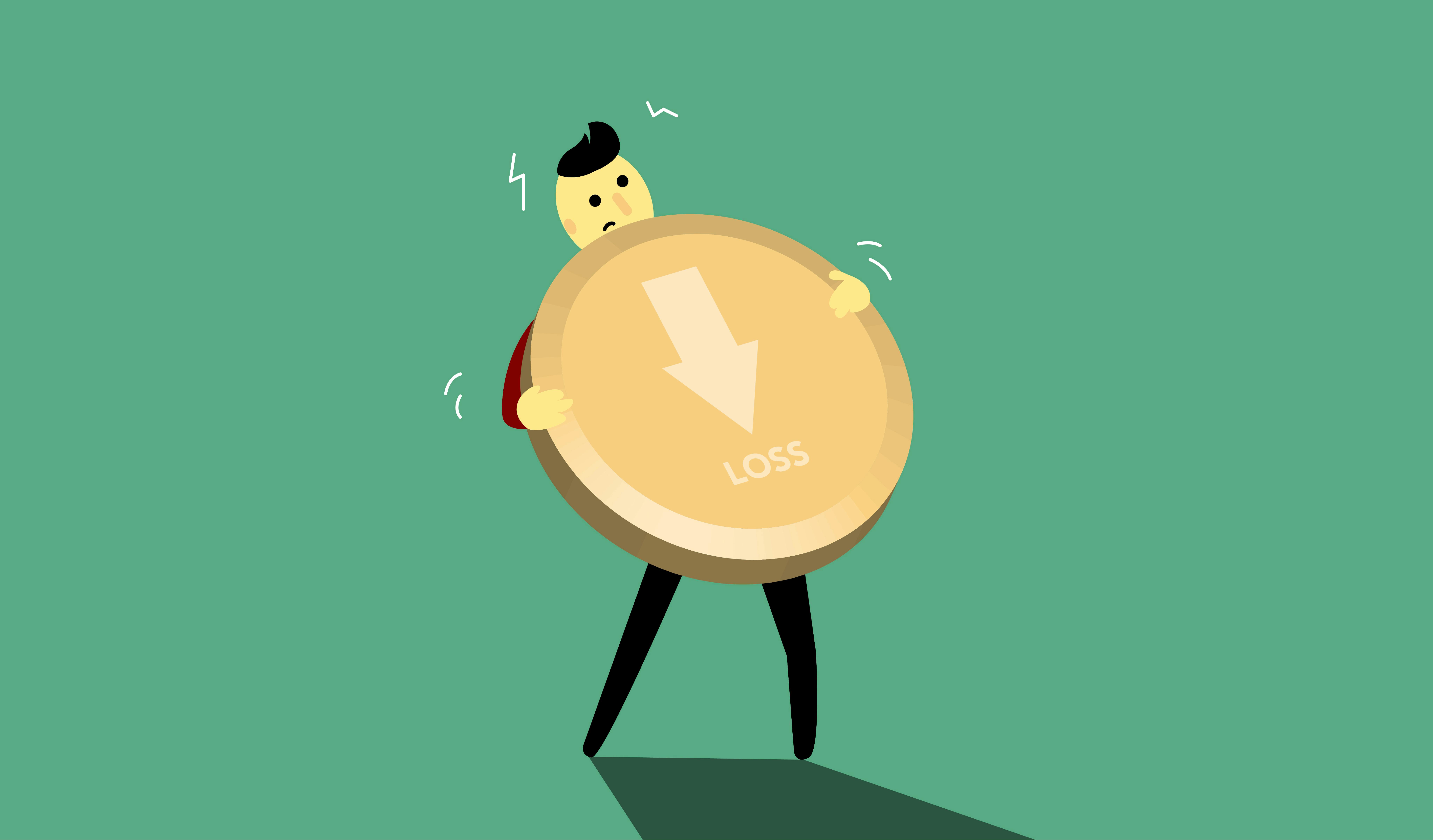
Navigating the 2026 financial landscape requires savvy debt management. Discover how strategic debt consolidation can slash your interest rates, simplify payments, and accelerate your journey to financial freedom. Compare the best debt consolidation loans, balance transfer credit cards, and specialized debt relief services to find your ideal path to a debt-free future. Optimize your finances today!
Introduction to the Topic
As we navigate the mid-2020s, the economic currents of 2026 present both challenges and unparalleled opportunities for financial empowerment. For millions, the weight of accumulating debt—from high-interest credit cards to lingering student loans and personal lines of credit—can feel like an insurmountable burden. However, the good news is that smart, proactive debt management, particularly through strategic consolidation, offers a clear pathway to regaining control and achieving financial freedom faster than you might think. This comprehensive guide from trackcash360.com is your essential roadmap to understanding the 2026 debt landscape and leveraging the most effective consolidation strategies to save thousands and secure your financial future.
Are you tired of juggling multiple due dates, variable interest rates, and the constant stress of debt? You’re not alone. Our goal is to equip you with the knowledge and tools to transform your debt into a manageable, finite challenge, paving the way for a debt-free life by 2028 or even sooner. Let's dive into how you can make 2026 the year you take decisive action against debt.
Backgrounds & Facts
The economic environment in 2026 continues to be shaped by the lingering effects of global shifts and evolving monetary policies. We've seen a period of fluctuating interest rates, impacting everything from mortgage payments to the cost of consumer credit. According to recent financial reports, average credit card APRs have remained stubbornly high, often exceeding 20-25% for many consumers. This means that a significant portion of your monthly payment might only be covering interest, barely touching the principal balance. Furthermore, the aggregate consumer debt in the U.S. has once again reached staggering levels, with household debt surpassing previous records, driven by sustained spending and the rising cost of living.
The psychological toll of debt is equally significant. Studies consistently show a strong correlation between high debt levels and increased stress, anxiety, and even physical health issues. The complexity of managing multiple debts—each with its own payment schedule, interest rate, and terms—adds to this burden, often leading to missed payments, late fees, and a downward spiral that can damage credit scores. This is precisely why simplification and strategic intervention, such as debt consolidation, are not just financial tactics but crucial steps towards holistic well-being.
Understanding these facts is the first step towards formulating an effective debt management strategy. The goal isn't just to pay off debt, but to do so efficiently, affordably, and in a way that sets you up for long-term financial stability.
Expert Opinion / Analysis
“In 2026, the mantra for debt management should be 'simplify and accelerate,'” advises Dr. Evelyn Reed, a leading financial economist and author of 'The Future of Personal Finance.' “High-interest, revolving debt is a wealth destroyer. The smartest move for anyone carrying multiple debts is to explore consolidation options that offer a lower, fixed interest rate and a clear payoff timeline. This isn't just about reducing monthly payments; it’s about drastically cutting the total interest paid over the life of the debt and freeing up cash flow for savings and investments.”
Debt consolidation fundamentally works by combining several debts into a single, new loan or payment structure. This typically results in a lower overall interest rate, a single monthly payment, and often a reduced monthly outflow. The benefits are clear: reduced financial stress, a streamlined payment process, and most importantly, a faster path to becoming debt-free. While methods like the debt snowball (paying smallest debt first) or debt avalanche (paying highest interest debt first) are effective for psychological motivation or maximizing interest savings, respectively, consolidation offers a powerful structural advantage by altering the terms of your debt itself.
However, Dr. Reed cautions, “Consolidation is a tool, not a magic bullet. It requires discipline. The key is to avoid accumulating new debt once your existing debts are consolidated. Use the freed-up cash flow wisely—either to pay off the consolidated loan even faster or to build an emergency fund.” Choosing the right consolidation method depends on your credit score, the types of debt you hold, and your financial goals. Let's explore the best options available in 2026.
💰 Best Options in Comparison (VERY IMPORTANT)
When it comes to debt consolidation, 2026 offers a diverse array of products and services tailored to different financial situations. Understanding these options is crucial for making an informed decision that aligns with your financial goals and credit profile.
-
Personal Loans for Debt Consolidation
What it is: An unsecured loan from a bank, credit union, or online lender that you use to pay off your existing high-interest debts. You then make a single, fixed monthly payment to the personal loan lender.
Best For: Individuals with good to excellent credit scores (typically FICO 670+) who can qualify for competitive interest rates. It's ideal for consolidating credit card debt, medical bills, and other unsecured loans.
Pros: Fixed interest rate and monthly payments, clear payoff date, often lower interest than credit cards, no collateral required, potential for quick funding.
Cons: Requires a decent credit score; interest rates can still be high for those with fair credit; origination fees may apply.
-
Balance Transfer Credit Cards
What it is: A credit card that allows you to transfer balances from other high-interest credit cards, often offering an introductory 0% APR period (typically 12-21 months).
Best For: Consumers with good credit (FICO 670+) who can commit to paying off the transferred balance entirely before the promotional 0% APR period expires. Perfect for consolidating credit card debt specifically.
Pros: 0% interest for an extended period, significant savings if paid off on time, relatively easy application process.
Cons: Requires excellent discipline to pay off the balance before the regular APR kicks in; balance transfer fees (typically 3-5%) apply; can be difficult to get approved for a high enough credit limit to cover all debt.
-
Home Equity Loans / Lines of Credit (HELOCs)
What it is: A loan or line of credit secured by the equity in your home. A home equity loan provides a lump sum, while a HELOC offers a revolving credit line.
Best For: Homeowners with substantial home equity and a good credit history. Often used for larger debt amounts due to lower interest rates than unsecured options.
Pros: Typically the lowest interest rates due to being secured by collateral; potential tax deductibility of interest (consult a tax advisor); longer repayment terms.
Cons: Puts your home at risk if you default; involves closing costs and fees; variable interest rates with HELOCs can increase payments; longer repayment terms can mean more interest paid overall.
-
Debt Management Plans (DMPs) via Credit Counseling
What it is: A structured plan facilitated by a non-profit credit counseling agency. The agency negotiates with your creditors to potentially lower interest rates and waive fees, consolidating your payments into one monthly sum to the agency.
Best For: Individuals struggling with overwhelming unsecured debt, especially if their credit score prevents them from qualifying for personal loans or balance transfers. Doesn't require a loan.
Pros: Lower interest rates on existing debts, single monthly payment, guidance from certified credit counselors, no new loan taken out.
Cons: Requires closing credit card accounts included in the plan; some creditors may not participate; a small monthly fee for the service; can take 3-5 years to complete.
Here's a detailed comparison to help you choose the best option for your financial situation:
| Consolidation Option | Interest Rates (Avg. 2026) | Eligibility (Credit Score) | Impact on Credit | Repayment Term | Fees | Best For |
|---|---|---|---|---|---|---|
| Personal Loan | 6% - 36% (fixed) | Good to Excellent (670+) | Temporary dip from hard inquiry, then improves with on-time payments. | 2-7 years | Origination fees (0-8%) | Multiple unsecured debts, fixed payments desired. |
| Balance Transfer Card | 0% Intro APR (12-21 months), then 18-29% (variable) | Good to Excellent (670+) | Can improve utilization if balances paid down, new inquiry. | Intro period (12-21 months) | Balance transfer fee (3-5%) | High-interest credit card debt, ability to pay off quickly. |
| Home Equity Loan/HELOC | 5% - 10% (loan fixed, HELOC variable) | Good (620+) & Home Equity | New inquiry, can lower debt-to-income ratio. | 5-30 years | Closing costs (2-5%), annual fees (HELOC) | Large amounts of debt, homeowners comfortable using equity. |
| Debt Management Plan (DMP) | Negotiated rates (often 0-10%) | Any (especially Fair to Poor) | No new loan, can improve scores over time if successful. | 3-5 years | Small monthly fee ($25-$75) | Overwhelmed by unsecured debt, struggling to qualify for loans. |
Choosing Your Path: Before making a decision, it's highly recommended to use online loan comparison tools and get pre-qualified offers from multiple lenders. Many platforms allow you to check rates without impacting your credit score. For DMPs, seek out reputable non-profit credit counseling agencies accredited by organizations like the National Foundation for Credit Counseling (NFCC).
Outlook & Trends
Looking ahead, the debt management landscape is set for continued innovation. We anticipate a greater integration of Artificial Intelligence (AI) and machine learning in personalized financial planning. AI-powered platforms will offer more sophisticated debt analysis, predicting optimal payoff strategies based on individual spending habits and income fluctuations. Expect more apps offering 'set-it-and-forget-it' debt payment automation and micro-consolidation options.
Regulatory bodies may also continue to scrutinize lending practices, potentially leading to more consumer-friendly terms and transparency, especially in the online lending space. The emphasis on financial literacy and early intervention will grow, with more resources becoming available to help individuals prevent debt accumulation in the first place. For those already in debt, the trend points towards highly customized, digital-first solutions that prioritize both financial efficacy and user convenience. Stay tuned to trackcash360.com for updates on these emerging trends and tools that can further empower your financial journey.
Conclusion
The journey to financial freedom from debt, while challenging, is entirely achievable in 2026. By understanding the economic realities, leveraging expert insights, and strategically employing debt consolidation methods, you can transform your financial outlook. Whether it's through a low-interest personal loan, a strategic balance transfer, utilizing your home equity, or engaging with a debt management plan, the power to take control is within your grasp.
Don't let the stress of multiple debts hold you back any longer. Review the options presented, compare offers from leading lenders and service providers, and choose the path that best suits your unique situation. The sooner you act, the sooner you'll experience the relief and stability of a debt-free life. Make 2026 the year you commit to crushing your debt and unlocking the financial freedom you deserve. Your future self will thank you.